Starting With the Mortar, Not the Brick
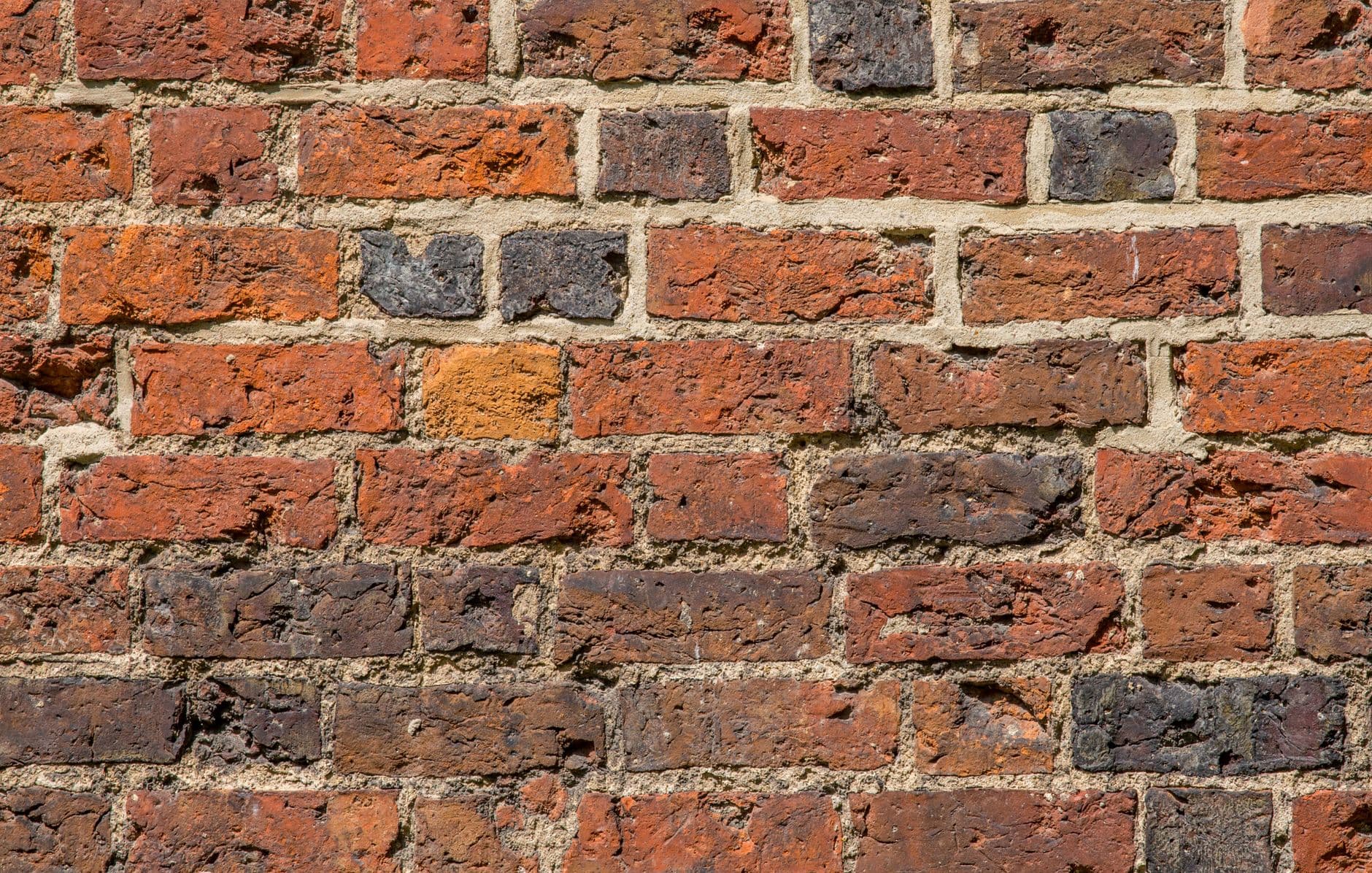
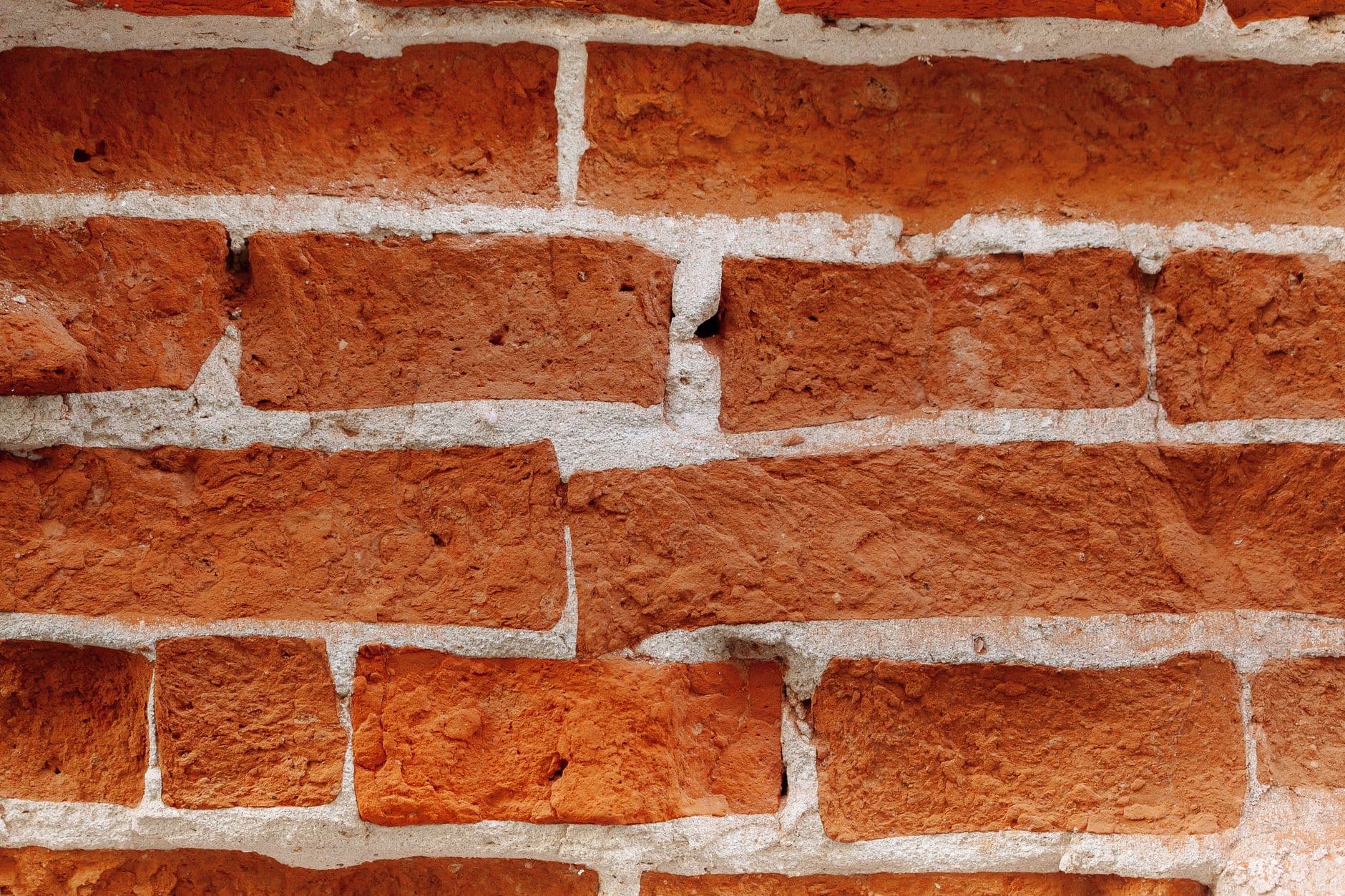
Most chimney masonry problems begin in the mortar joints rather than the brick itself. Brick is the more durable material, and once mortar starts to crumble or recede, water finds its way behind the brick face and accelerates damage that would otherwise take much longer to appear. Before recommending tuckpointing, our technicians walk the full chimney, joint by joint, documenting where the mortar has already failed and where it is heading that direction across properties in Brentwood, Pacific Palisades, Santa Monica, Beverly Hills, West Hollywood, and Malibu.
The Joint by Joint Assessment
A proper masonry assessment does not stop at the first side of the chimney that is visible from the ground. The technician works around the full structure, checking each face separately.
- - Mortar depth: measured against how far it has receded from the original brick face
- Crumbling or soft mortar: identified by running a tool along the joint to feel for material that gives way easily
- Missing sections: noted individually rather than described as a general area of concern
- Brick condition underneath: checked for spalling or cracking that mortar alone will not fix
Each finding gets tied to its specific location on the chimney, since a report that simply says mortar needs attention does not tell you which side, how much, or how urgent the repair actually is.
Why One Side Often Wears Faster
Chimneys rarely deteriorate evenly. The side that faces prevailing wind and rain typically shows more wear than a sheltered side, and on coastal properties in Malibu and Santa Monica, that pattern shows up faster because salt-laden moisture works into the mortar more aggressively than plain rainfall does further inland. The technician documents which side is leading the deterioration, since that detail affects how the repair is scoped and whether it makes sense to address one section now and monitor the rest.
Determining the Scope
Once the joint by joint check is complete, the technician has to decide how much of the chimney actually needs tuckpointing versus how much can be left alone for now. This decision gets documented with reasoning attached: if two sides show significant mortar loss and two sides remain sound, the report explains why only the affected sides are included in the estimate rather than defaulting to a full repoint of the entire structure.
When a Small Repair Grows Into a Larger One
Sometimes what looks like a localized mortar problem turns out to extend further once work begins, particularly if water has been tracking behind the brick face in a spot that was not visible during the initial walkthrough. When this happens, the technician stops and shows you what was found before continuing, rather than expanding the scope of work without your knowledge.
Matching Mortar to the Original
A repair that structurally holds up but looks wrong against the surrounding brick is still an incomplete job in our view. The technician documents the existing mortar's color and texture so the new mix can be matched as closely as possible, and notes the mortar type being used, since older masonry was often built with a softer mix than what is standard today, and matching hardness matters as much as matching color for how the repair performs over time.
Brick Replacement When Mortar Alone Is Not Enough
If the assessment finds bricks that are cracked, spalling, or crumbling beyond what repointing can address, those get documented separately from the mortar work. Replacement brick is matched for size and color as closely as available materials allow, and the technician notes in the report exactly which bricks are being replaced and why, so you understand the difference between mortar repair and brick replacement if both are part of the same job.
Waterproofing After the Repair
Once tuckpointing is complete, a breathable waterproofing sealant is often applied to help protect the fresh mortar while it cures and to slow future moisture intrusion. The technician documents whether sealant was applied, what type, and notes that it will need reapplication on a periodic basis, since a sealant that has worn off after several years can leave the chimney no better protected than if none had been applied at all.
Earthquake and Settling Considerations
Some masonry damage traces back to seismic movement or gradual settling rather than weather alone. If the technician sees crack patterns that suggest structural movement, that gets documented separately from routine weathering, since a chimney showing signs of shifting may need more than tuckpointing to address the underlying cause. This kind of finding gets flagged clearly rather than folded into a standard mortar repair estimate.
What You Receive After the Assessment
The written summary includes a side by side condition report for each face of the chimney, photographs documenting the mortar and brick condition found, the specific scope of work recommended and why it was scoped that way, and the mortar type and color being matched. If brick replacement is part of the job, that gets its own section in the report as well.
How Long Tuckpointing Takes
A single section of tuckpointing on one side of the chimney typically finishes within a day. A full repoint across all sides, or a job that includes brick replacement, takes longer, since mortar needs time to cure properly between steps. The technician gives you a realistic schedule once the scope is confirmed, factoring in the chimney's height and how accessible it is on your particular roofline.
Questions Homeowners Often Ask About Masonry Repair
How do I know if my chimney needs tuckpointing or a full rebuild?
Tuckpointing addresses mortar joint deterioration while the underlying brick structure remains sound. If the assessment finds structural movement, extensive brick failure, or damage that goes beyond what repointing can correct, the technician documents why a rebuild is the better long term option and explains the difference clearly.
Will the repaired section be noticeable from the ground?
Matching mortar color and texture is part of the process specifically to avoid an obvious patch. Once cured, a well matched repair blends into the surrounding masonry rather than standing out as a visibly different section.
Can tuckpointing be done during the rainy season?
Mortar needs dry conditions to cure properly, so timing matters. If weather is a concern, the technician discusses scheduling options that avoid curing mortar during active rain, which can weaken the finished repair.
Why did my neighbor's chimney need tuckpointing so much sooner than mine?
Exposure varies even between nearby properties, depending on which direction the chimney faces, how close it sits to the coast, and how the original mortar was mixed when the home was built. The assessment documents your specific chimney's condition rather than assuming a uniform timeline across a neighborhood.
Scheduling a Masonry Assessment
If you have noticed crumbling mortar, gaps in the joints, or simply want a documented look at your chimney's masonry condition, a joint by joint assessment tells you exactly what needs attention and why. Contact Heritage Chimney Care at (747) 216-0319 to schedule a visit with a licensed mason.
From the coastal exposure of Malibu and Santa Monica through the canyon lots of Pacific Palisades and Brentwood, to Beverly Hills and West Hollywood, every masonry assessment is documented face by face, so the scope of any repair is based on what is actually there, not a guess from the ground.
Need Professional Chimney Service?
Our CSIA-certified technicians are ready to help with all your chimney and fireplace needs. Contact Heritage Chimney Care today for expert service throughout the Westside / Malibu Coast service area.